
Ensuring a Safe and Enjoyable Environment
The Crucial Responsibility of Bouncers in the Entertainment Industry
Overview
If you're referring to bouncers and content protection, it's less common for bouncers to be directly involved in content protection compared to security guards. Bouncers typically work in the hospitality or entertainment industry, primarily focusing on maintaining order, ensuring the safety of patrons, and enforcing venue policies. However, I can provide some general information about bouncers and their roles

Bouncers are often responsible for managing crowd control and maintaining a safe and secure environment within venues such as nightclubs, bars, or events. They ensure that patrons adhere to venue policies, which may include restrictions on behavior, age restrictions, or dress codes.
Bouncers frequently check identification documents to ensure that patrons meet age requirements or have proper credentials to access certain areas within a venue. This process helps enforce content restrictions or guidelines specific to the venue, such as age-restricted content or VIP areas.

Key Benifits
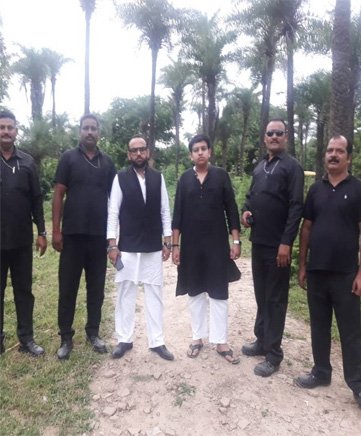
Bouncers, also known as security personnel or doormen, typically work in the entertainment industry, specifically at venues such as bars, nightclubs, or concert halls. While they share some similarities with security guards, bouncers have distinct roles and benefits. Here are some key benefits of having bouncers
Bouncers excel at managing large crowds and maintaining order within a venue. They control entry and exit points, check identification and tickets, and ensure that guests adhere to venue policies, such as dress codes or age restrictions. Their presence helps prevent overcrowding, maintain a safe capacity, and manage line queues effectively.
Bouncers are trained in conflict resolution techniques and have the skills to handle challenging situations that may arise in a social environment. They can defuse tense situations, mediate disputes, and prevent confrontations from escalating into violence. Bouncers use their communication and negotiation skills to maintain a peaceful atmosphere.
The primary responsibility of bouncers is to ensure the safety and well-being of guests within a venue. They are trained to identify potential threats, such as unruly or intoxicated individuals, and take appropriate action to prevent harm to others. Bouncers may remove disruptive individuals from the premises or assist in escorting them out while minimizing disturbances.
Training and Expertise
Bouncers undergo specialized training in areas such as crowd management, conflict resolution, and legal aspects of their work. Their expertise enables them to make informed decisions, assess risks accurately, and handle various scenarios effectively. Well-trained bouncers are an asset to the venue and enhance overall security and safety.